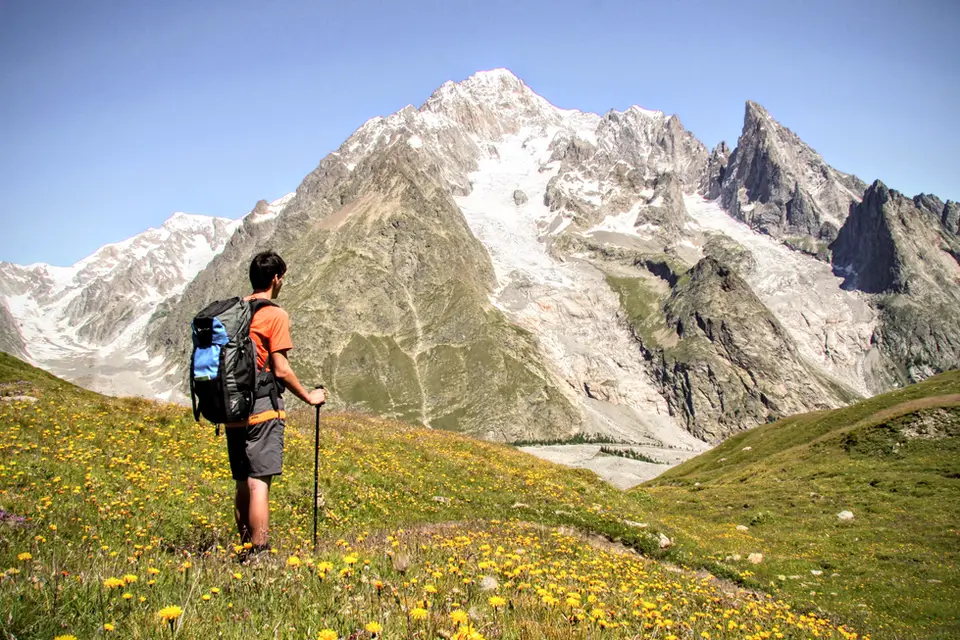
Mont Blanc on the big screen, on the climb to Monte Fortin, in Val Veny.
Summer is the ideal time for hiking in the Alps because, especially from August onwards, the snow retreats, leaving every corner of these mountains open to safe exploration. The alpine huts, usually open from the first weekend of June until mid-September, offer support and refreshment to visitors, making the experience even more enjoyable.
Summer brings long, sunny days, which leave more time for exploring magnificent landscapes and discovering alpine flora and fauna. Thanks to the milder temperatures, hikers can take on more demanding trails and reach summits with wide views without worrying about difficulties caused by the weather.
Summer also offers many opportunities to take part in events and activities organised in alpine resorts, such as festivals, concerts and markets, which add further to the experience of the mountains.
Storms and UNESCO landscapes
The real limit of the alpine summer is not the heat but the afternoon thunderstorm. Between May and August the tendency towards afternoon heat storms is high, and they often form locally, in ways that are hard to forecast precisely: the German Alpine Club advises starting as early as possible, reaching your objective by around midday and keeping a shelter or a descent route in mind. If fewer than thirty seconds pass between lightning and thunder the storm is close, and that is the moment to leave ridges and summits, not to take one last photograph. It is one more reason why, on the longer walks on this page, a night in a mountain hut beforehand changes the whole day.
Many of these walks cross landscapes recognised by UNESCO. The Dolomites have been a World Heritage Site since 2009, and the listed groups include the Sciliar, Puez-Odle and the Brenta Dolomites; the Swiss Alps Jungfrau-Aletsch site, inscribed in 2001 as the first natural World Heritage Site in the Alps and extended in 2007, has the Great Aletsch Glacier at its heart. In the Engadine, the Rhaetian Railway in the Albula and Bernina landscapes, listed in 2008 between Thusis and Tirano, is also a comfortable, car-free way to reach the trailheads around the Bernina.
The hikes
By our rating, highest first. Browse them as photographs, as a list with all the numbers or on the map.
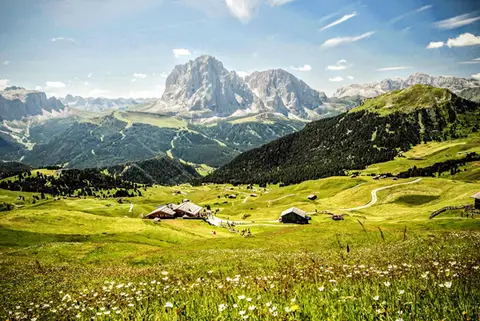 DolomitesRifugio Firenze and Seceda, a balcony on the OdlePerhaps the finest hike in the whole of the Dolomites, set between alpine pastures and vertical walls.
- Grade
- T
- Time
- 5:00h
- Distance
- 15km
- Ascent
- 880m
- Rating
- 10/10
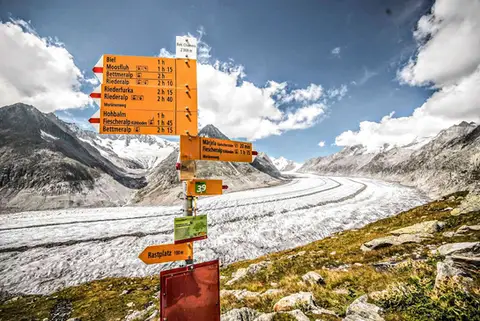 SwitzerlandAletsch Glacier (Aletschgletscher)The most classic walk to the Aletsch Glacier, the largest glacier in the Alps.
- Grade
- T
- Time
- 4:30h
- Distance
- 14km
- Ascent
- 460m
- Rating
- 10/10
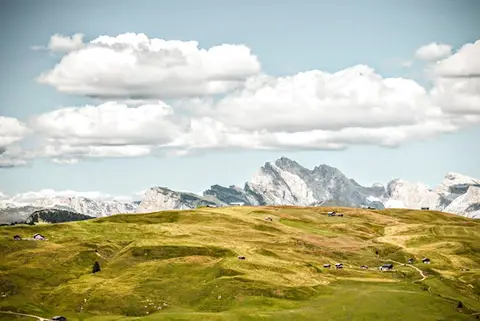 DolomitesFrom the Alpe di Siusi to Rifugio Bolzano on the SciliarA stroll across the high plateaus of the Alpe di Siusi and the Sciliar, among the most famous in the Dolomites.
- Grade
- T
- Time
- 7:00h
- Distance
- 21km
- Ascent
- 1,000m
- Rating
- 9/10
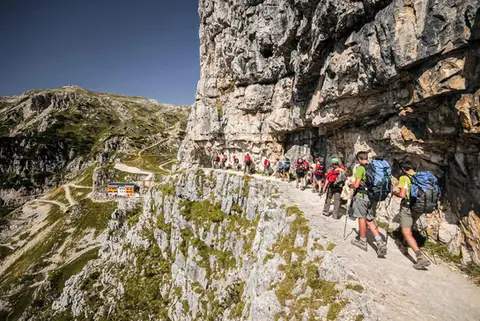 DolomitesThe Strada delle 52 Gallerie on the PasubioA visit to Rifugio Achille Papa and the Zona Sacra del Pasubio, by way of the spectacular Strada delle 52 Gallerie
- Grade
- E
- Time
- 7:00h
- Distance
- 17km
- Ascent
- 1,130m
- Rating
- 9/10
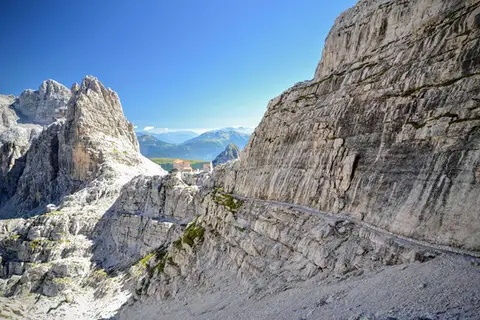 DolomitesCima Brenta tour from Molveno (2 days)A two-day loop to discover the remarkable high balcony of the Brenta Dolomites.
- Grade
- E
- Time
- 14:00h
- Distance
- 33km
- Ascent
- 2,390m
- Rating
- 9/10
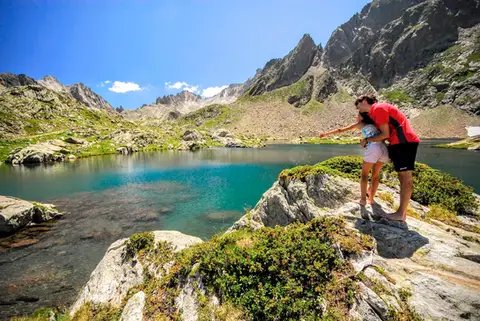 PiedmontRifugio Valasco, Rifugio Questa and the military mule tracks of ValscuraIn the upper Valle Gesso: remarkable military roads, the crystal-clear lakes of Valscura and Claus, and two historic mountain huts.
- Grade
- E
- Time
- 7:00h
- Distance
- 20km
- Ascent
- 1,020m
- Rating
- 9/10
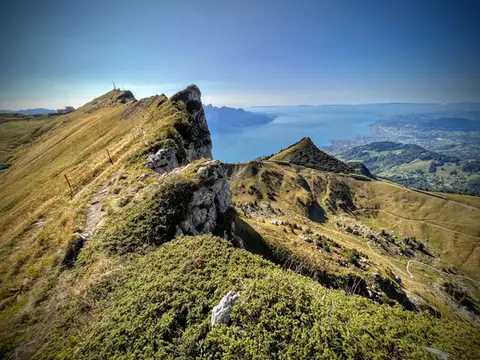 SwitzerlandTo the Rochers de Naye, a balcony over Lake GenevaThe 2000-metre peak closest to Lake Geneva: half green plateau, half vertical rock pinnacle.
- Grade
- E+
- Time
- 4:00h
- Distance
- 10km
- Ascent
- 550m
- Rating
- 9/10
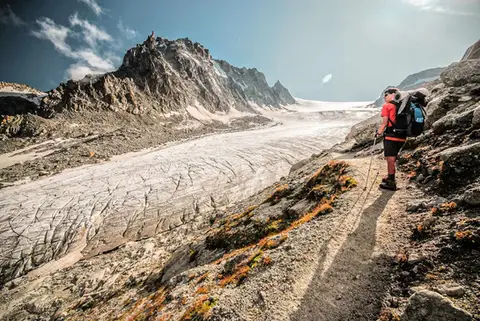 SwitzerlandGlacier d'Orny and Cabane du TrientA walk to the imposing Glacier d'Orny, in the Mont Blanc massif
- Grade
- E
- Time
- 6:00h
- Distance
- 13km
- Ascent
- 970m
- Rating
- 9/10
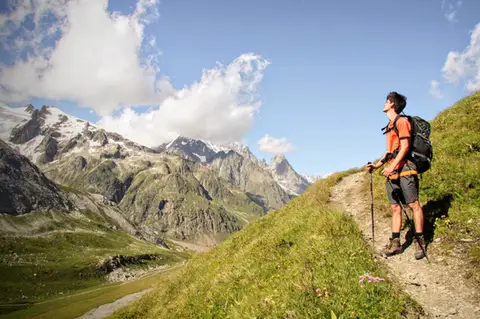 Aosta ValleyMonte Fortin and Rifugio Elisabetta Soldini in Val VenyA sensational viewing terrace over Monte Bianco and the Himalayan-looking Miage Glacier.
- Grade
- E
- Time
- 7:30h
- Distance
- 21km
- Ascent
- 1,190m
- Rating
- 9/10
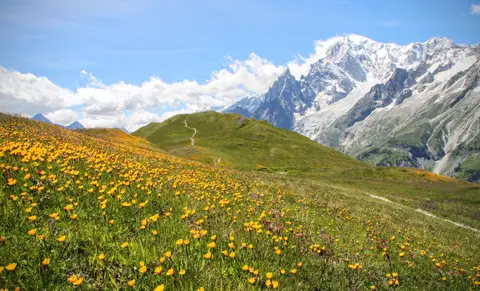 Aosta ValleyRifugio Bertone and Testa della Tronche, a balcony over Monte BiancoIn Val Ferret, on a grassy ridge face to face with the giants of Monte Bianco.
- Grade
- E
- Time
- 6:30h
- Distance
- 16km
- Ascent
- 1,010m
- Rating
- 9/10
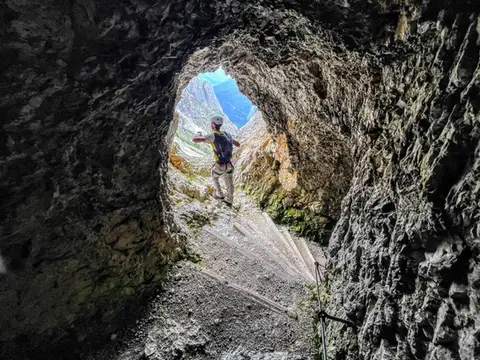 DolomitesLagazuoi loop hike300m of ascent through military galleries and tunnels to the panoramic terrace of the Lagazuoi. Optional: the Ferrata degli Alpini on the Col dei Bos (C/D)
- Grade
- E
- Time
- 5:00h
- Distance
- 10km
- Ascent
- 700m
- Rating
- 8/10
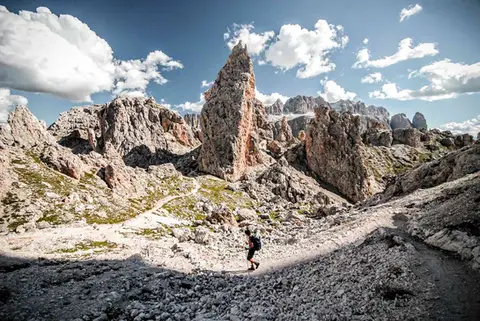 DolomitesRifugio Puez and the Val Longia loopA loop hike along a balcony overlooking the gorge of the Val Longia.
- Grade
- E
- Time
- 6:30h
- Distance
- 16km
- Ascent
- 1,030m
- Rating
- 8/10
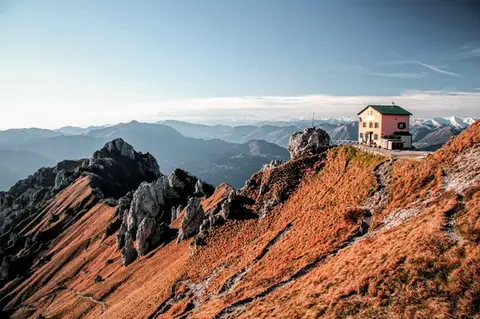 Lake ComoFrom Piani Resinelli to Rifugio RosalbaOne of the great classics of the Lombard Prealps. Dolomite-like views, an hour's drive from Milan.
- Grade
- E
- Time
- 3:00h
- Distance
- 6km
- Ascent
- 530m
- Rating
- 8/10
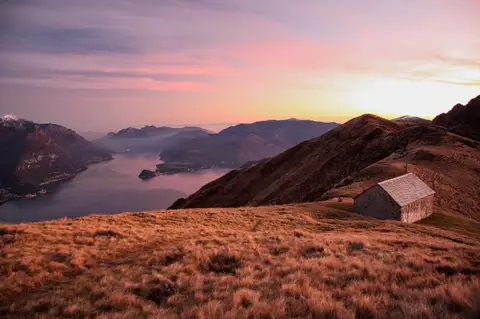 Lake ComoMonte Grona and Monte BregagnoAlong the grassy ridge between Monte Grona and Bregagno, face to face with Lake Como.
- Grade
- E
- Time
- 6:00h
- Distance
- 13km
- Ascent
- 1,120m
- Rating
- 8/10
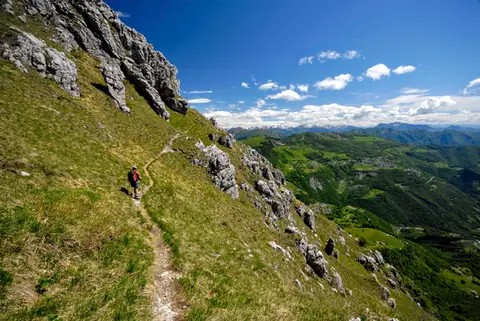 Lake ComoThe Via delle Creste Orientali on the ResegoneAn entertaining ridge path along the Dolomite-like towers of the Resegone.
- Grade
- EE
- Time
- 5:00h
- Distance
- 12km
- Ascent
- 920m
- Rating
- 8/10
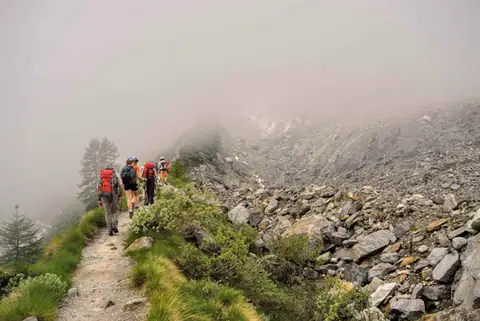 PiedmontRifugio Zamboni Zappa on the Belvedere GlacierAt the foot of the 4000-metre peaks of Monte Rosa, the hike to Rifugio Zamboni Zappa is a tour in glaciology.
- Grade
- E
- Time
- 5:30h
- Distance
- 13km
- Ascent
- 870m
- Rating
- 8/10
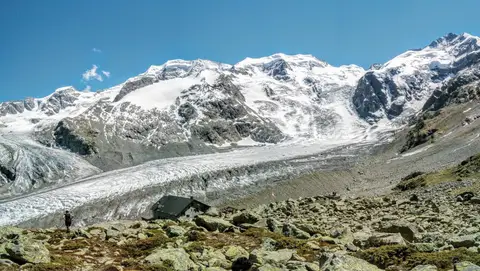 SwitzerlandCapanna Boval and the Morteratsch GlacierFace to face with the Bernina, in a commanding glacial setting.
- Grade
- E
- Time
- 5:00h
- Distance
- 14km
- Ascent
- 640m
- Rating
- 8/10
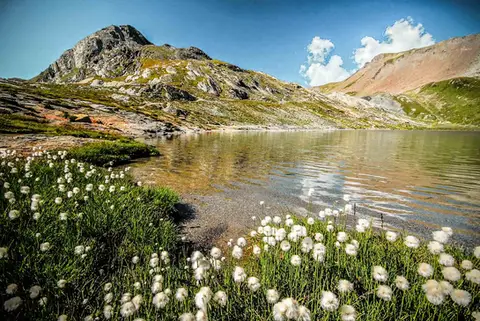 SwitzerlandLago Lunghin and Piz LunghinA lake, a peak and a pass, all sharing a breathtaking view over the Bernina group and the Lago di Sils.
- Grade
- E
- Time
- 6:30h
- Distance
- 16km
- Ascent
- 1,030m
- Rating
- 8/10
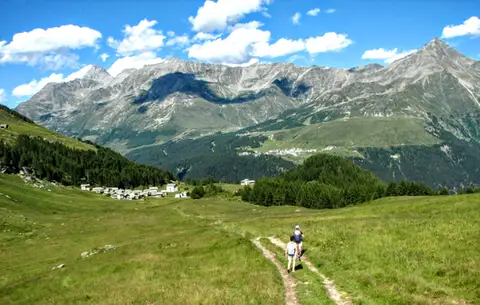 ValchiavennaThe Lago Bianco loop on the Pian dei CavalliOn the balcony of the Valle Spluga: from Starleggia to the Pian dei Cavalli, the Lago Bianco and Monte Bardan.
- Grade
- E
- Time
- 4:00h
- Distance
- 10km
- Ascent
- 830m
- Rating
- 8/10
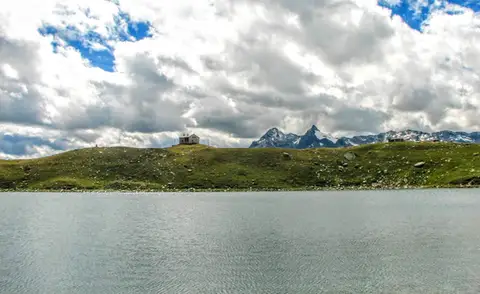 ValchiavennaRifugio Bertacchi at Lago d'EmetTo Lago d'Emet, an almost perfectly circular little lake overlooking the Valle Spluga.
- Grade
- E
- Time
- 5:00h
- Distance
- 11km
- Ascent
- 990m
- Rating
- 8/10
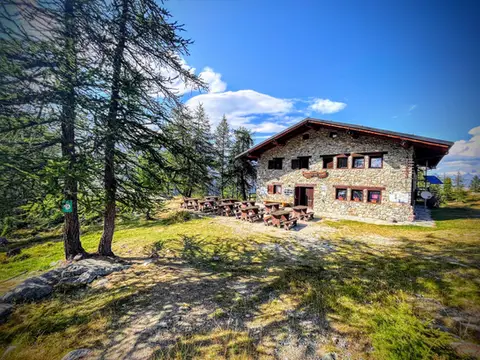 Aosta ValleyTo Rifugio Barbustel, in the heart of the Monte Avic Natural ParkCrystal-clear lakes and larch woods with a North American feel, in under 3 hours of walking.
- Grade
- T
- Time
- 4:30h
- Distance
- 9.6km
- Ascent
- 700m
- Rating
- 8/10
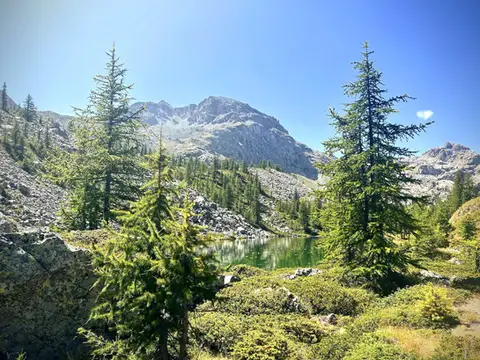 Aosta ValleyThe Monte Avic 10-lake loop (2 days)10 lakes, 3 mountain huts and a 3000-metre peak. A long 27km loop in the Monte Avic Natural Park, almost entirely in stern alpine terrain between 2000 and 3000 metres.
- Grade
- E+
- Time
- 12:00h
- Distance
- 27km
- Ascent
- 1,710m
- Rating
- 8/10
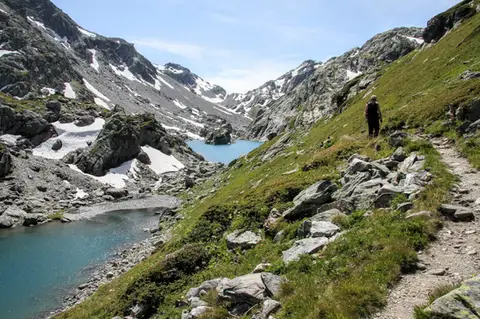 Aosta ValleyLakes, glaciers and waterfalls in the Valle del RutorA hike to Rifugio Deffeyes past the Rutor Falls, face to face with the Rutor Glacier.
- Grade
- E
- Time
- 7:30h
- Distance
- 20km
- Ascent
- 1,070m
- Rating
- 8/10
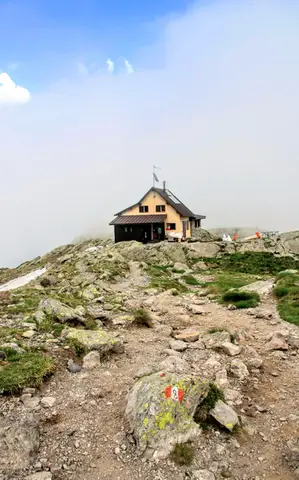 ValtellinaLoop of Rifugio Benigni and the Trona and Zancone lakesA long route in the upper Val Gerola, taking in a mountain hut, 4 lakes and a few ibex.
- Grade
- E
- Time
- 6:00h
- Distance
- 15km
- Ascent
- 970m
- Rating
- 8/10
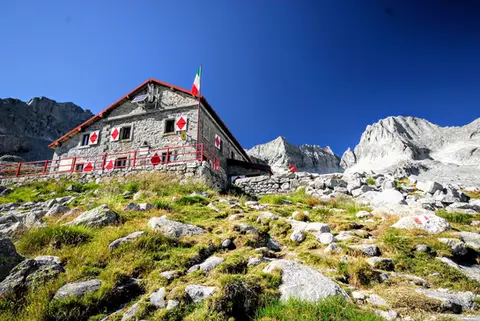 ValtellinaRifugio Gianetti in Val MasinoAn essential stop in the mountains of Lombardy, face to face with the granite giants of Val Masino.
- Grade
- E/EE
- Time
- 7:30h
- Distance
- 15km
- Ascent
- 1,480m
- Rating
- 8/10
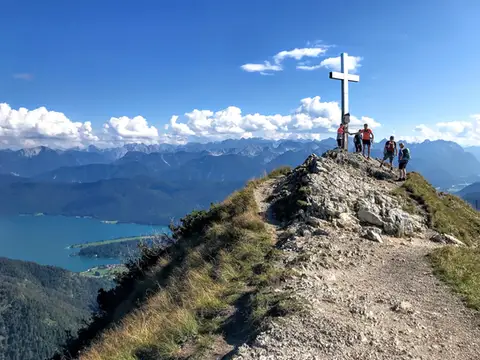 GermanyHerzogstand and Heimgarten loopTwo mountain lookouts above the German plain and the Walchensee.
- Grade
- E
- Time
- 4:30h
- Distance
- 10km
- Ascent
- 360m
- Rating
- 7/10
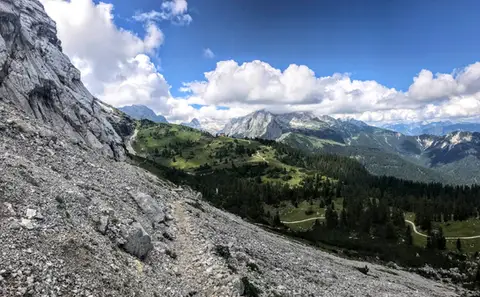 GermanyThe Wettersteinwand balconyFrom Garmisch to Mittenwald, through gorges, Dolomite-like scenery and picture-postcard lakes.
- Grade
- E
- Time
- 12:00h
- Distance
- 32km
- Ascent
- 1,940m
- Rating
- 7/10
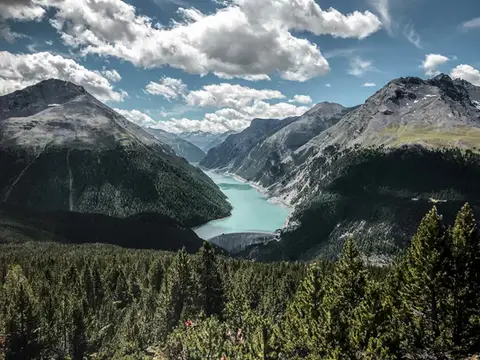 SwitzerlandAlp and Munt La Schera, lookouts over Lago di LivignoNorth American views, with the turquoise Lago di Livigno and broad valleys cloaked in firs and larches.
- Grade
- E
- Time
- 4:30h
- Distance
- 13km
- Ascent
- 810m
- Rating
- 7/10
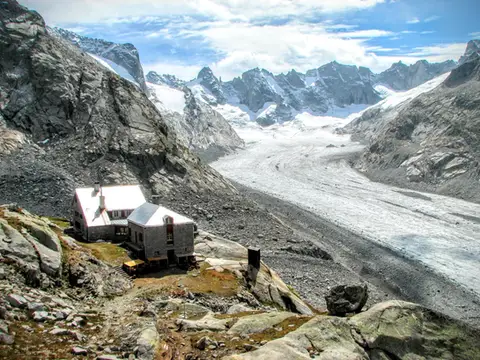 SwitzerlandCapanna del Forno and the Forno GlacierA long walk up the Valle del Forno, repaid with views worthy of Patagonia.
- Grade
- EE
- Time
- 8:00h
- Distance
- 21km
- Ascent
- 1,020m
- Rating
- 7/10
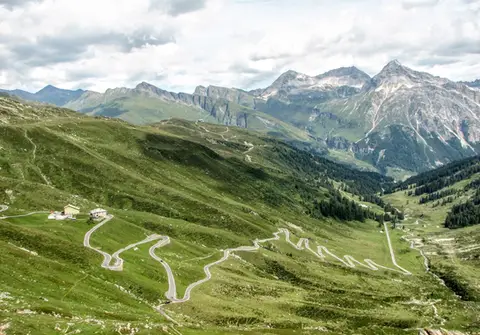 ValchiavennaBivacco del Suretta from the Passo dello SplugaA panoramic loop straddling the Passo dello Spluga, culminating at the Bivacco del Suretta
- Grade
- E
- Time
- 5:00h
- Distance
- 11km
- Ascent
- 850m
- Rating
- 7/10
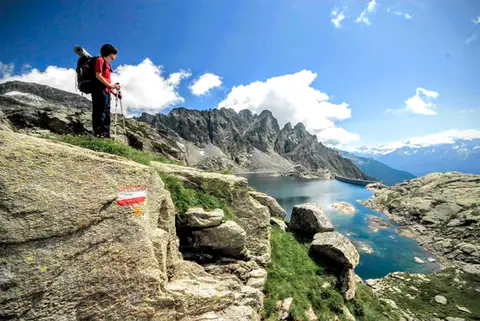 ValchiavennaTour from Lago del Truzzo to Alpe LendineA long loop that takes in all the most magical spots of the remote Valle del Drogo, a side valley of the Valle Spluga.
- Grade
- EE
- Time
- 7:00h
- Distance
- 17km
- Ascent
- 1,190m
- Rating
- 7/10
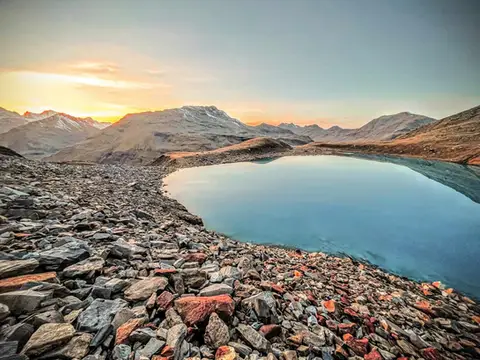 Valtellina · SwitzerlandLago Vago, the blue pearl of LivignoA short hike to Lago Vago, a Caribbean-looking tarn so blue it seems fake.
- Grade
- E
- Time
- 3:00h
- Distance
- 6km
- Ascent
- 520m
- Rating
- 7/10
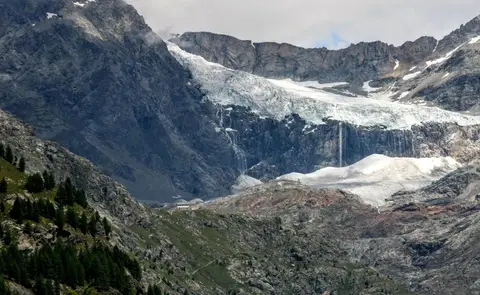 ValtellinaRifugio Bignami and the Marson Glacier Trail at the FellariaIn the upper Valmalenco, face to face with the Fellaria Glacier.
- Grade
- E
- Time
- 5:30h
- Distance
- 15km
- Ascent
- 670m
- Rating
- 7/10
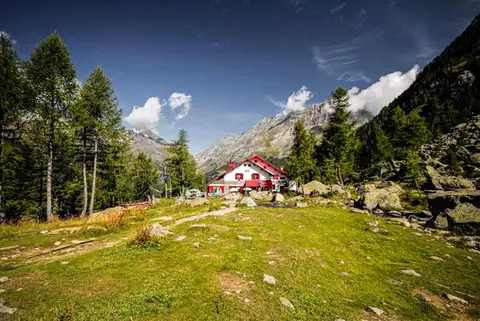 ValtellinaRifugio Gerli Porro and the Ventina Glacier TrailDiscovering Alpe Ventina, on the trail of a retreating glacier.
- Grade
- T
- Time
- 3:30h
- Distance
- 10km
- Ascent
- 700m
- Rating
- 7/10
Questions
The answers come from the hike pages listed here.
Which one is the best, in your view?
Rifugio Firenze and Seceda, a balcony on the Odle and Aletsch Glacier (Aletschgletscher), all rated 10 out of 10.
Which one is the easiest?
Aletsch Glacier (Aletschgletscher): grade T, 4:30 hours of walking and 460 metres of ascent.
How long do these hikes take?
From 3:00 to 14:00 hours of walking, with ascents between 360 and 2,390 metres.
More guides
Other lists that share some of these hikes.